


Techniques for Driving in Heavy Traffic
28 Aralık 2017The Critical Importance of Car Coolant and Antifreeze
31 Aralık 2017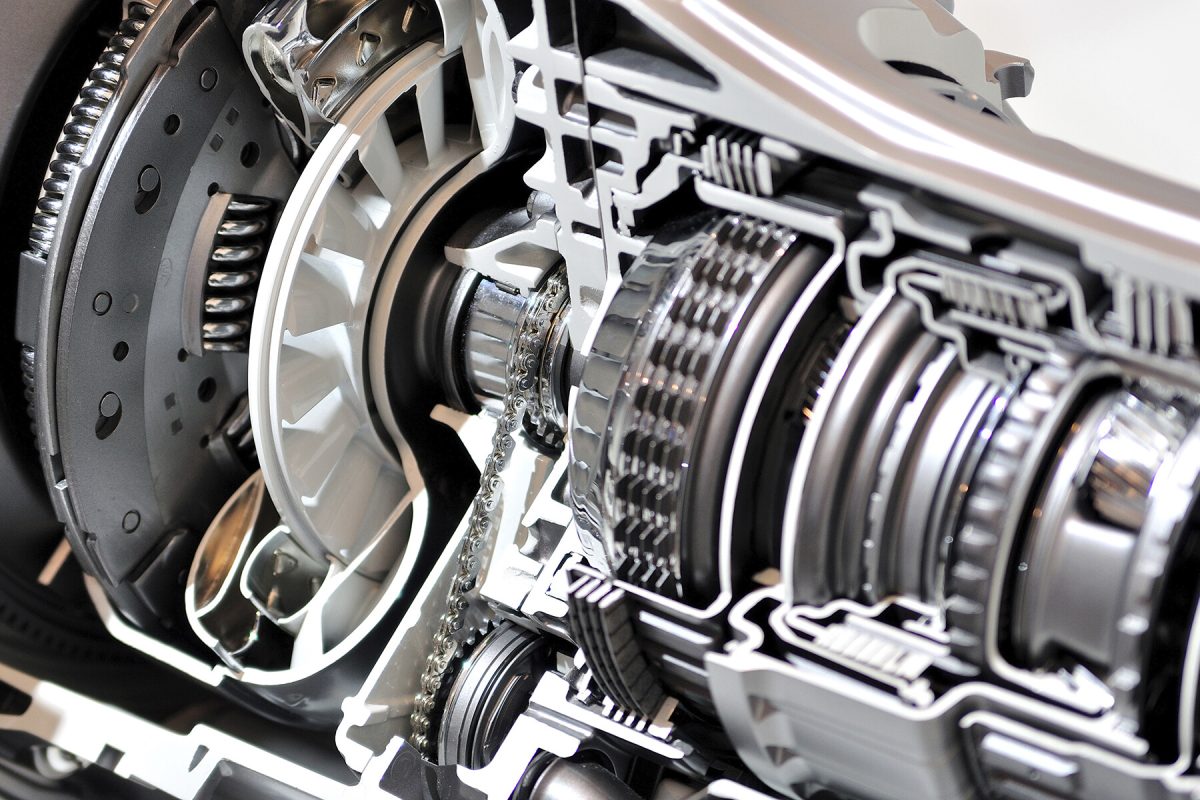
Essential Tips for Proper Clutch Operation
The clutch is a vital component in a car. Improper use of the clutch can damage the system and lead to significant issues. The clutch allows for gear changes by disengaging the connection between the engine and the gearbox. You also use the clutch when setting your car in motion for the first time. Gently applying the accelerator while slowly releasing the clutch will allow you to move your car smoothly. Similarly, when you want to stop your car, it is better to press the clutch lightly along with the brake instead of braking hard. This prevents your car from stopping abruptly and protects its brakes from damage. What are the Functions of the Clutch? When Starting the Car When starting the car, it progressively transfers the engine's motion to the wheels, ensuring the car moves without jolting. When Changing Gears While the car is running, it facilitates gear changes by interrupting the power transmission from the engine to the gearbox. In Necessary Situations When required, it disconnects the engine from the power transmission components. What You Need to Know About Clutch Operation To avoid stalling the car, it is essential to understand the clutch's engagement point. In cars with a tachometer, it is important to lift your foot off the clutch slowly. Press the clutch with your left foot and watch the tachometer as you release it. When you see fluctuations on the tachometer and the car begins to vibrate, you have reached the idle, or engagement, point. At the engagement point, your foot must remain steady. Your right foot should then be moved from the brake pedal to gently press the accelerator. At this point, you will notice the car's vibration ceases and it begins to move. By continuing to apply gas while slowly lifting your foot off the clutch, you will have set your car in motion seamlessly. The same method should be followed in cars without a tachometer. If your clutch engages late and the car fails to move, clutch maintenance is required. Having the clutch inspected during periodic car maintenance is highly beneficial to prevent this situation from occurring. To avoid stalling the car, it is essential to understand the clutch's engagement point. In cars with a tachometer, it is important to lift your foot off the clutch slowly. Press the clutch with your left foot and watch the tachometer as you release it. When you see fluctuations on the tachometer and the car begins to vibrate, you have reached the idle, or engagement, point. At the engagement point, your foot must remain steady. Your right foot should then be moved from the brake pedal to gently press the accelerator. At this point, you will notice the car's vibration ceases and it begins to move. By continuing to apply gas while slowly lifting your foot off the clutch, you will have set your car in motion seamlessly. The same method should be followed in cars without a tachometer.


